As a VP of Student Affairs, your success is increasingly measured by a single, high-stakes metric: student retention. In an era of shifting demographics and intensifying competition, the pressure to not only enroll but also graduate students has reached a fever pitch.
For years, student success initiatives have relied on the dedication of advisors and the intuition of faculty. However, these traditional methods are frequently proving insufficient. By the time a student’s struggle is visible to the naked eye, the window for effective intervention has often already closed. At Datatelligent, we believe the solution lies in a fundamental shift in perspective. To meet modern retention goals, institutions must transition from a reactive posture to a data-driven, predictive model of student support.
The Problem with the Status Quo
The current reality on many campuses is one of “lagging indicators.” Institutions typically wait for mid-term grades or faculty alerts to trigger outreach. While these are valuable touchpoints, they represent late-stage evidence of a problem that likely began weeks or months earlier.
Waiting for a student to fail a mid-term exam is a high-risk strategy. By that point, the student may have already disengaged from campus life, fallen hopelessly behind in their coursework, or decided that the financial burden is no longer worth the struggle. Early intervention is the cornerstone of retention, yet early intervention is impossible if you are only looking at outcomes that occur halfway through a semester.
Building an At-Risk Student Identification System
To intervene early, you need to see the “digital breadcrumbs” students leave behind long before a grade is ever posted. This requires breaking down the silos between departments and connecting disparate data sources.
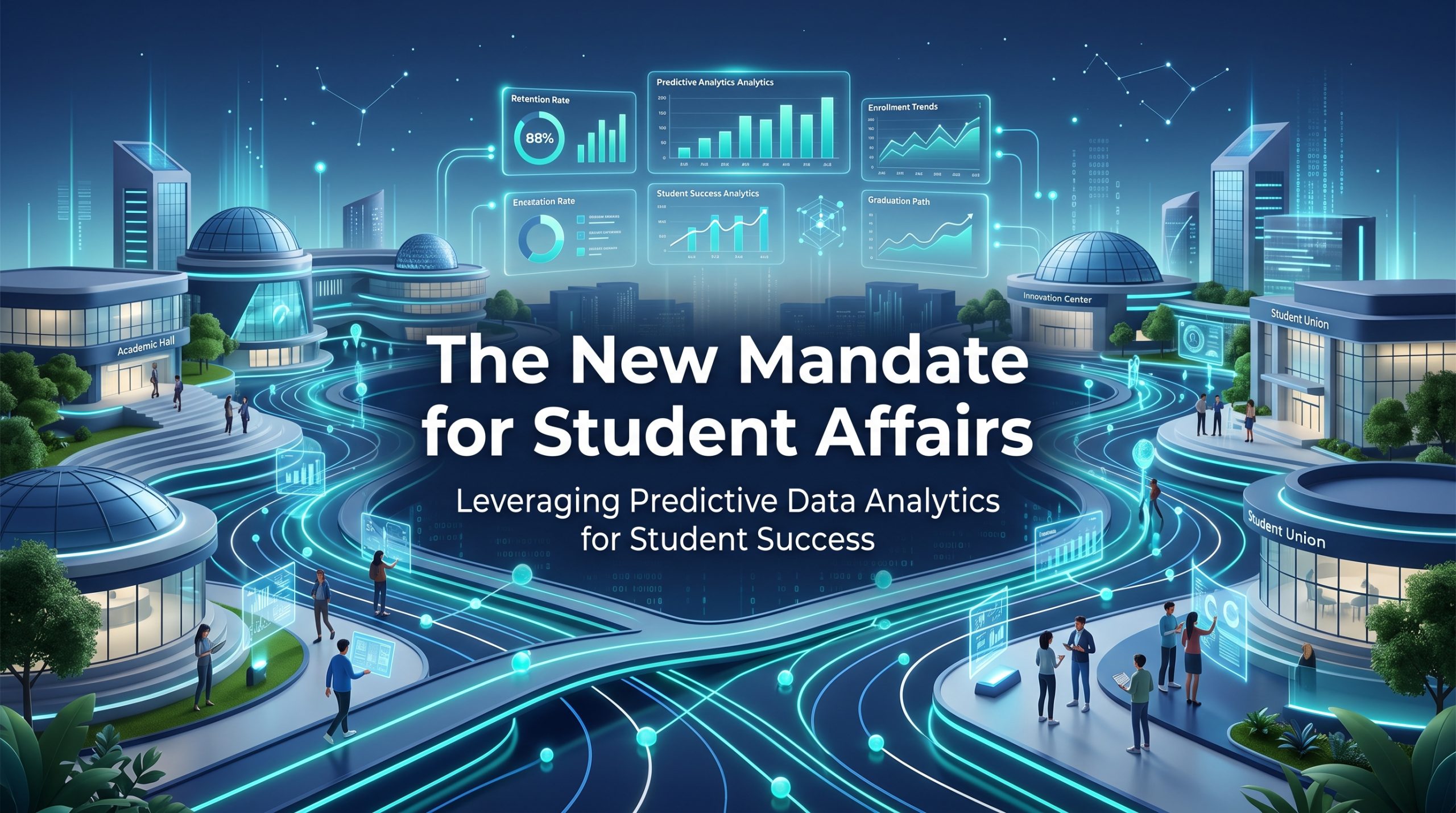
A robust at-risk student identification system integrates data from the Learning Management System (LMS), Student Information System (SIS), and even non-academic sources like dining hall card swipes, housing logs, and gym attendance. When these data points are viewed holistically, they tell a story. A sudden drop in LMS logins combined with a decrease in card swipe activity at the student union isn’t just a coincidence; it is a behavioral pattern that signals a student is withdrawing from the campus community. By centralizing this data, institutions can identify vulnerable students based on engagement, not just performance.
Leveraging Predictive Analytics for Student Retention
Identifying “at-risk” students is only the first step. The next evolution involves moving beyond simple alerts to sophisticated modeling. This is where predictive analytics for student retention becomes a game-changer.
By employing machine learning models, institutions can analyze historical data to identify the subtle precursors to attrition. These models can weigh dozens of variables—from financial aid status and first-generation background to high school GPA and real-time behavioral data—to assign a “success score” to every student. This allows your team to prioritize outreach to those who are statistically most likely to drop out, even if they currently have a passing grade. Predictive modeling transforms your staff from a reactive “firefighting” crew into a proactive success team that can prevent the fire from starting in the first place.
Choosing the Right Student Retention Analytics Software
Not all platforms are created equal. When evaluating student retention analytics software, VPs of Student Affairs should prioritize three critical areas:
- Seamless Integration: The software must be able to ingest data from your existing tech stack (Banner, Colleague, Canvas, etc.) without requiring a massive overhaul of your IT infrastructure.
- Real-Time Insights: Data that is a week old is already stale. You need a platform that provides live dashboards, allowing advisors to act the moment a student’s behavior deviates from their baseline.
- Usability for Frontline Staff: The most powerful data in the world is useless if it isn’t accessible. The software should provide intuitive, actionable insights that advisors can understand at a glance, enabling them to focus on the human element of student support rather than data interpretation.
Conclusion
The mandate for Student Affairs has changed. It is no longer enough to provide excellent services and hope students find them; we must use the data at our fingertips to find the students who need us most. By moving toward a proactive, predictive model, institutions can significantly improve student outcomes and institutional stability.
Learn how Datatelligent empowers VP of Student Affairs to transform their retention strategies by turning complex data into a clear roadmap for student success.